A portfolio of rendered images tells you an engineer can use software. A structured case study tells you how they think about a constraint — which is the thing you are actually hiring.
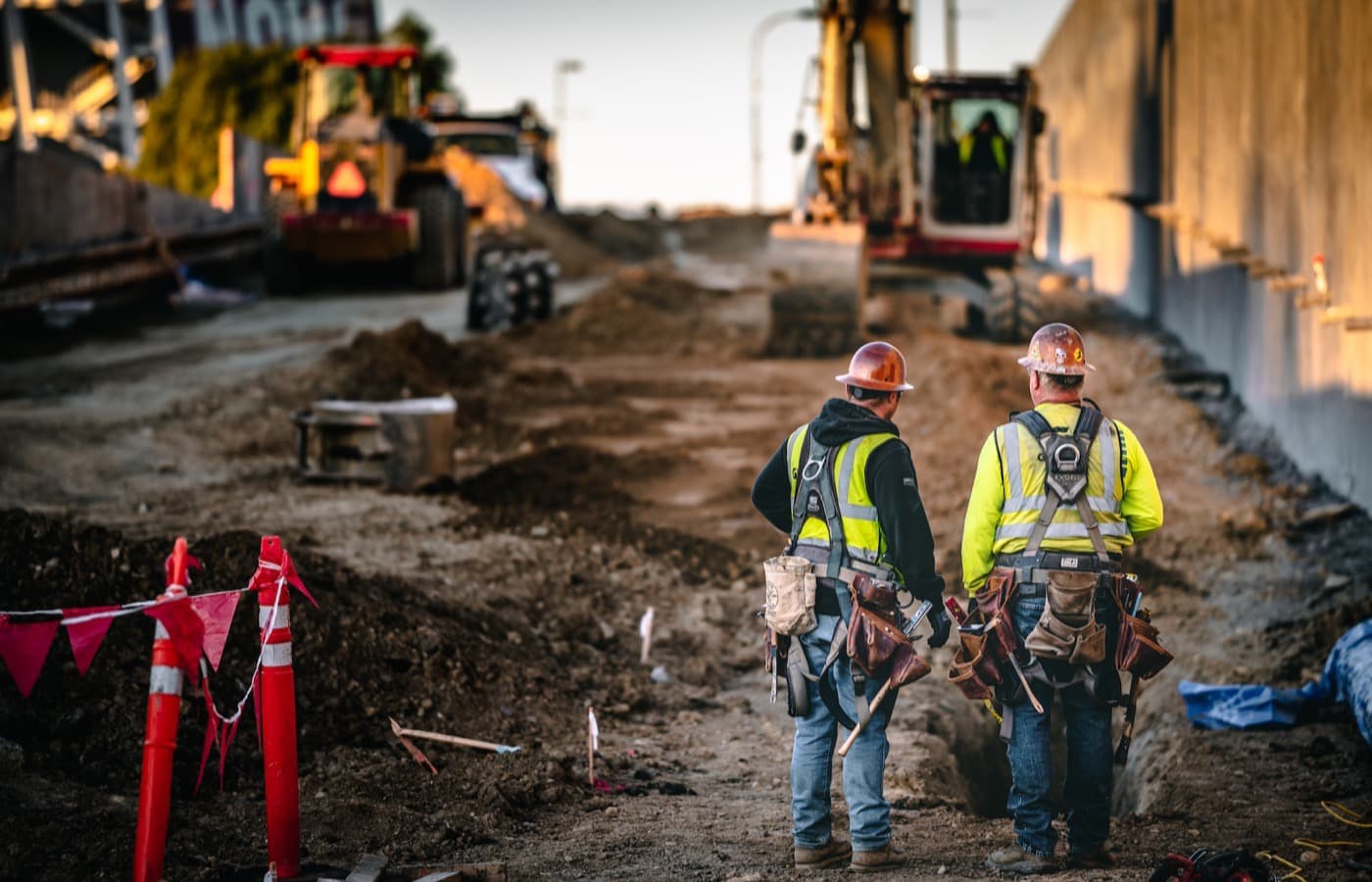
A 7-storey 1970s office block had to stay occupied through a seismic retrofit. The original drawings were incomplete, concrete strength varied by 40% between cores, and the client could not vacate more than one floor at a time.
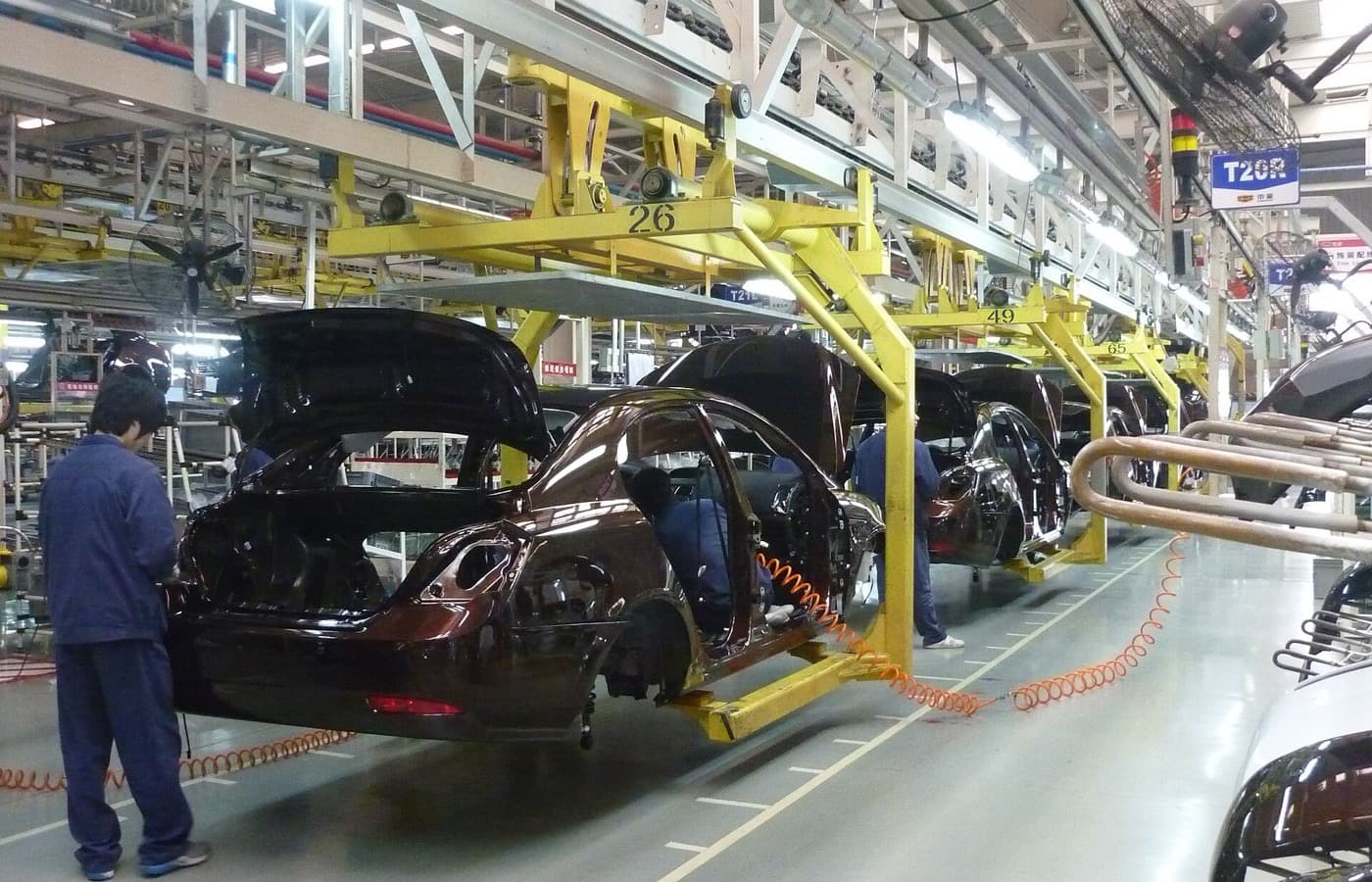
A die-cast aluminium pump housing was 22% over its mass target but the tool was already cut. A new tool would have cost the programme five months.
A 42 MWp plant's provisional connection offer carried a reactive capability condition the originally specified inverters could not meet across the full voltage range. The issue surfaced three weeks before financial close.
A sterile injectable facility's Grade B suite had to hold its pressure cascade through every airlock under GMP Annex 1, with the plant room footprint already fixed at 310 m² by the building design.
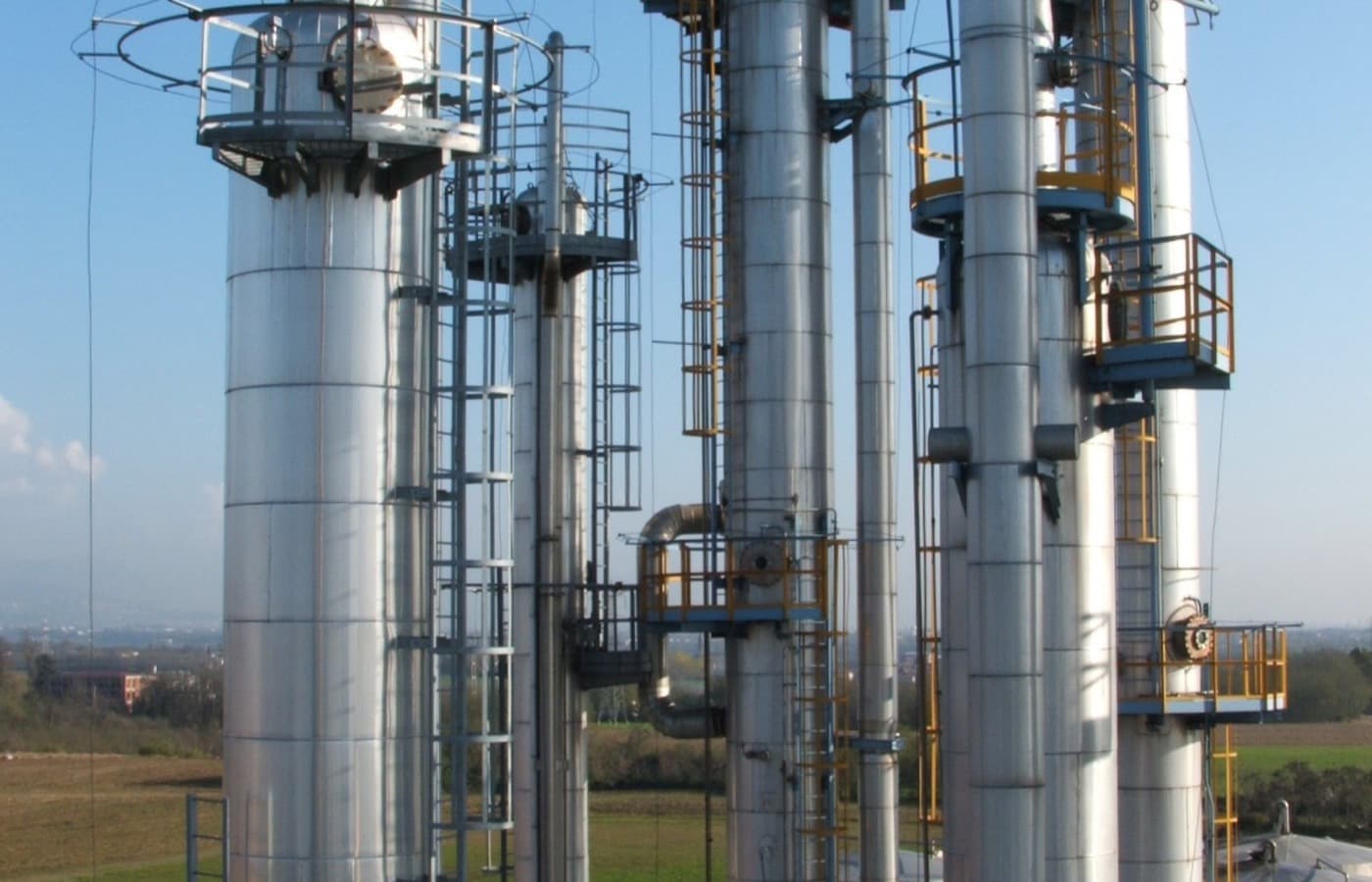
A pressure-retaining weld failed twice in service. Two prior investigations blamed welder technique; a third blamed the filler metal. Neither remedy stopped the recurrence.
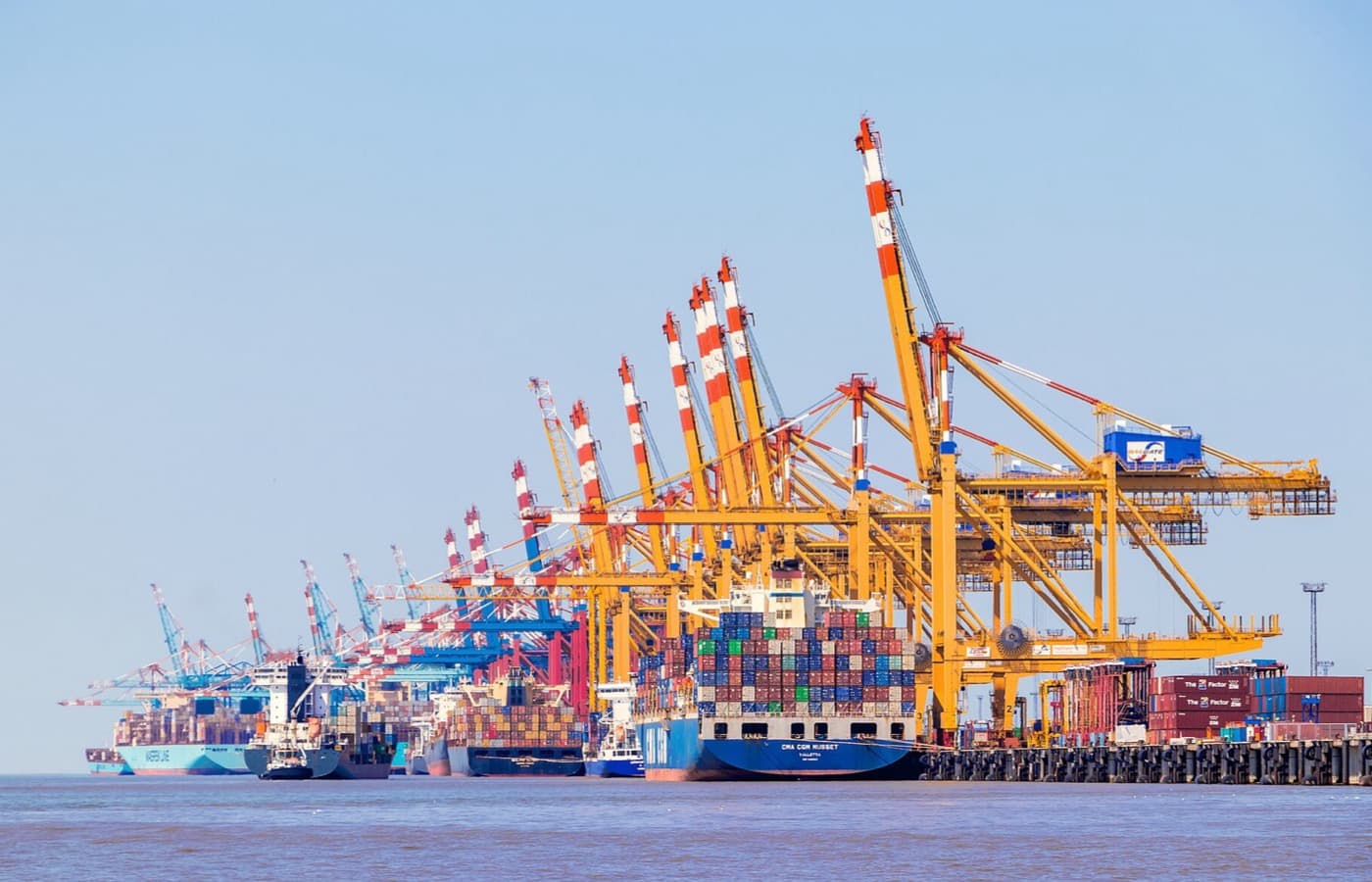
An offshore wind operator needed a 34 m aluminium CTV to meet demanding motion criteria for turbine transfer while staying inside a 34.0 m length cap set by berth licensing.
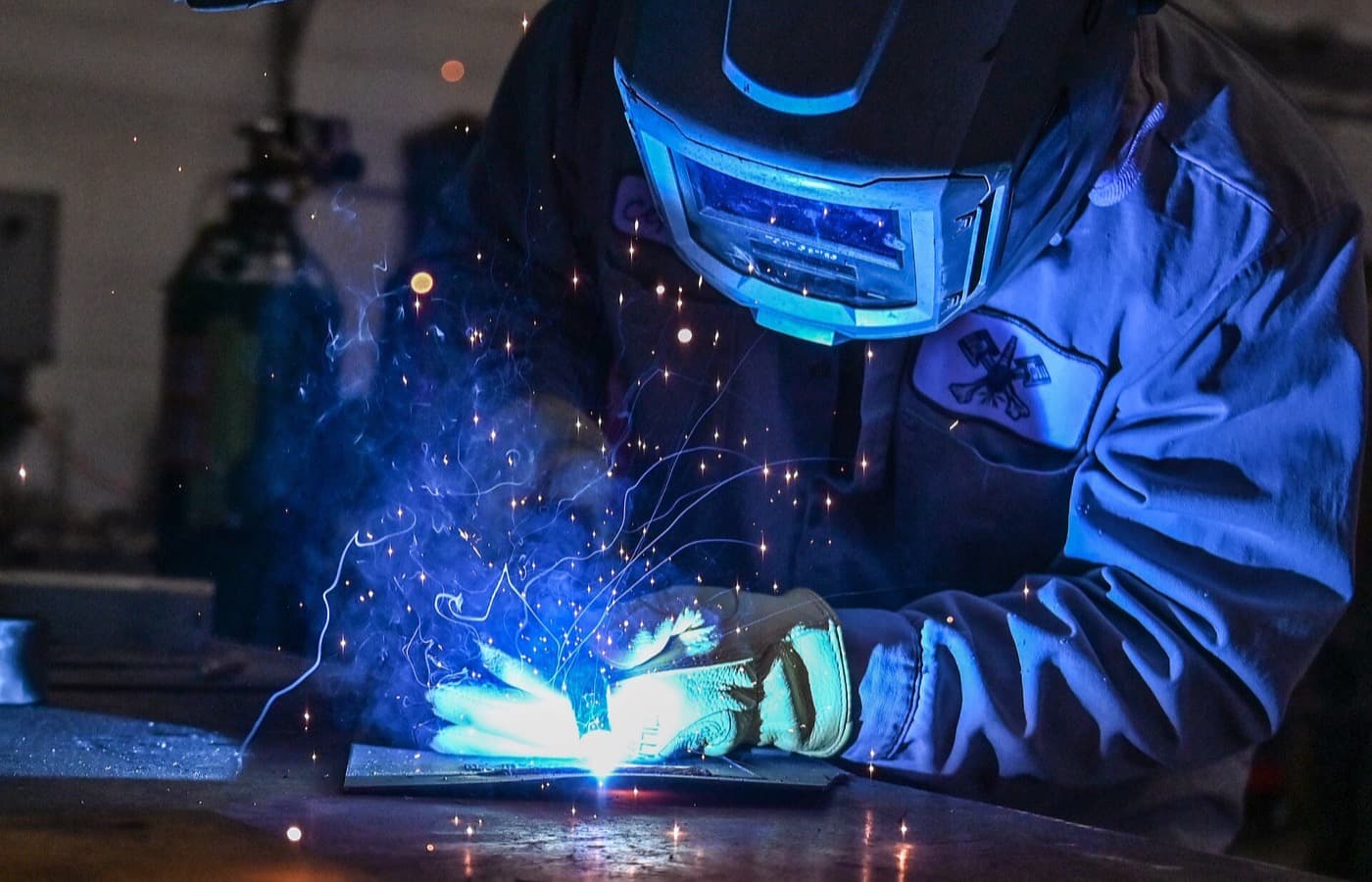
A manual MIG welding operation had to become a two-robot cell in an existing bay that shared a wall with a manual work area, with a 180 A supply limit and a works council that had to approve the change.
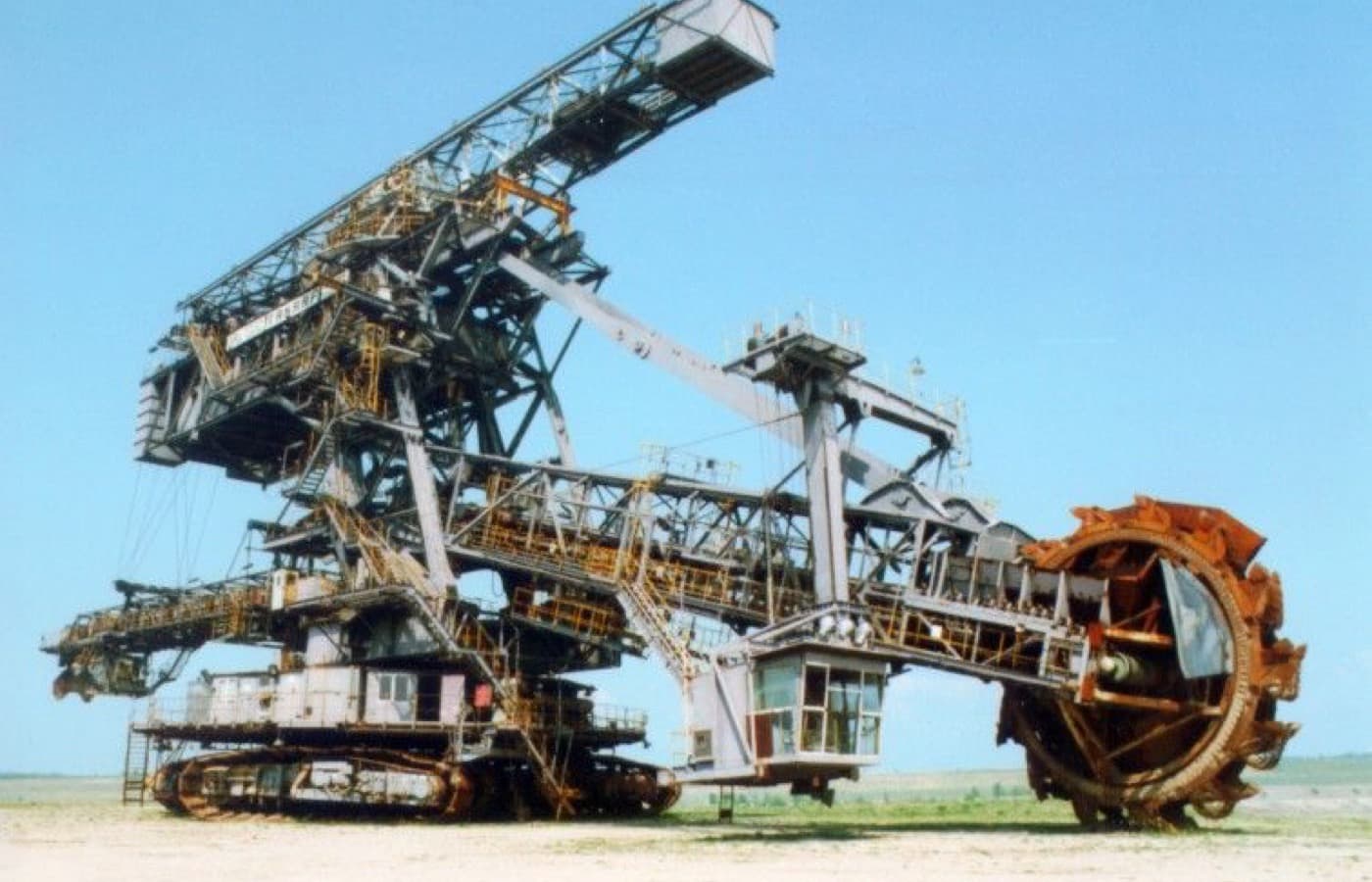
A 14-turbine onshore farm had weathered rock at three positions and soft alluvium at four. A single worst-case foundation design repeated 14 times would have added significant unnecessary concrete and cost.
Because a case study that omits the constraint, the standard or the result is a marketing page, not evidence.